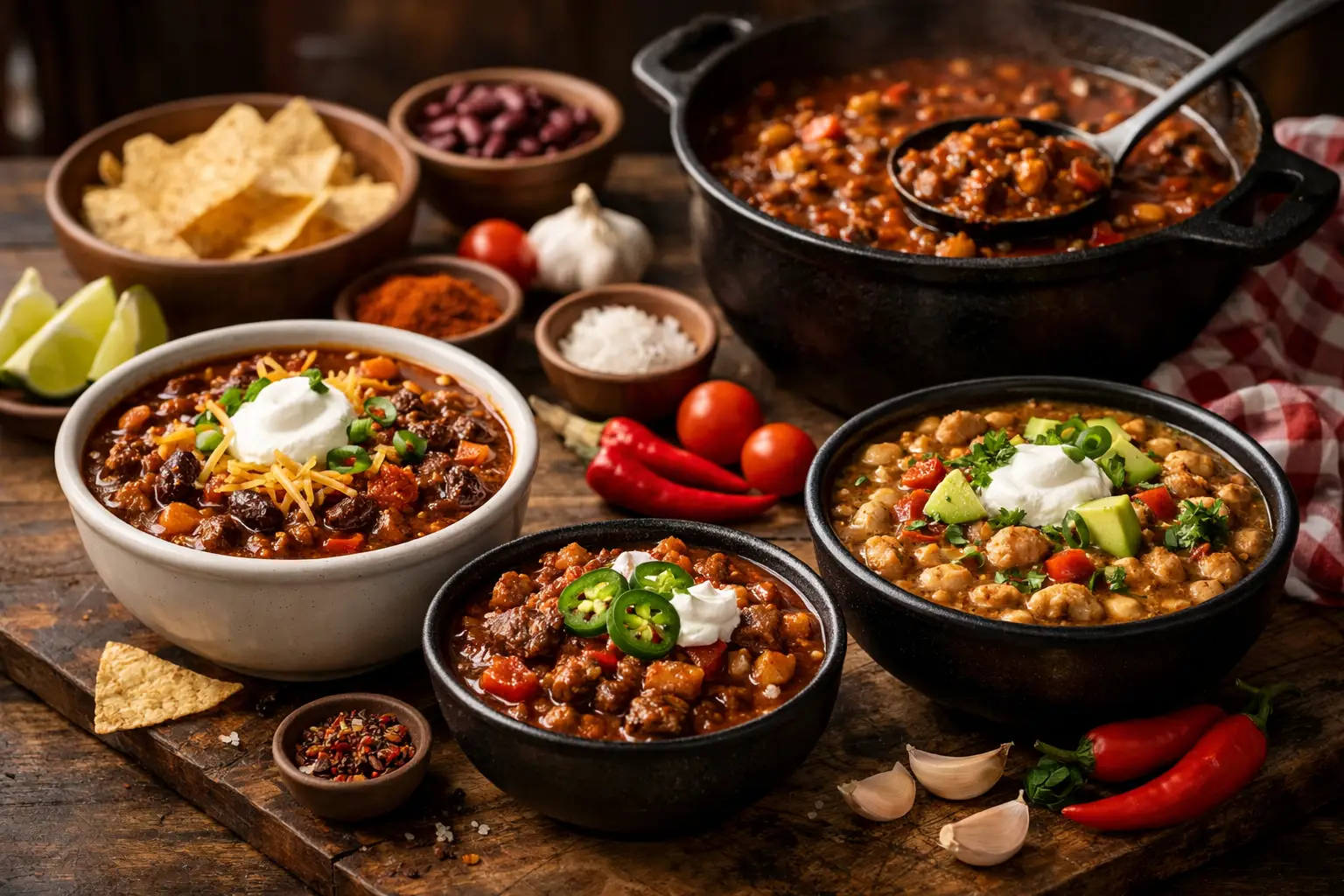
Some nights call for a fast weeknight turkey chili. Other nights deserve a slow-simmered Texas Red that tastes like it has opinions. If you've ever opened a recipe collection and felt weirdly overwhelmed by beans, beef, chiles, and regional loyalties, here's how to choose chili recipes without guessing.
The trick is to stop treating chili like one dish. It is a whole category with its own subcultures, comfort levels, and cooking moods. Every bowl tells a story, but not every bowl belongs on your table tonight. The best recipe is the one that fits your time, your heat tolerance, your ingredient stash, and the kind of meal you actually want to eat.
How to choose chili recipes by the kind of meal you want
Start with the outcome, not the ingredient list. Are you after game-day food, a freezer-friendly meal prep pot, a cozy Sunday project, or a quick dinner that can be on the table in under an hour? Chili works across all of those, but the recipe you choose should match the role.
If dinner needs to be fast, look for streamlined recipes with ground meat, canned beans, and pantry spices. These usually build flavor quickly and do not rely on long simmering to come together. If you want something deeper and more old-school, choose recipes built around cubed beef, dried chiles, or layered chile pastes. Those take more time, but they reward patience with a richer, more developed bowl.
This is where a lot of people go wrong. They pick a recipe because the photo looks great, then realize halfway through that it needs three hours and a spice grinder. Good chili starts with honest expectations.
Regional style matters more than most people think
One of the easiest ways to narrow the field is by style. Chili is not a single lane food, and the regional differences are not cosmetic. They shape texture, spice profile, toppings, and even what counts as authentic to the people who love that style.
Texas Red is all about beef and chile flavor, usually without beans. It is bold, savory, and focused. If you want a bowl that feels elemental and serious, this is your move.
Cincinnati chili is its own universe. It is thinner, heavily spiced in a distinctive way, and often served over spaghetti or hot dogs with strategic piles of cheese, onions, and beans. If you are craving chili as comfort food with a diner spirit, choose this over a thick, smoky stew.
Colorado green chili leans into roasted green chiles, pork, and a brighter, more vegetal heat. It is excellent when you want something that tastes lively rather than dark and heavy.
Then there are modern mashups - white chicken chili, smoky chipotle turkey chili, sweet-spicy fusion versions, even vegetarian pots built around mushrooms, lentils, or squash. These are great when tradition matters less than mood. There is no shame in choosing the bowl that sounds most exciting to eat.
How to choose chili recipes if you're not sure on style
Think about what flavor family you usually love. If you reach for smoky barbecue, go red and beefy. If you like salsa verde, tacos al pastor, or roasted peppers, green chili will probably land better. If you want chili to be a topping as much as a bowl, Cincinnati-style or a thinner meat chili may make more sense than something chunky.
You do not need to know the entire chili map. You just need one clear craving.
Choose your protein before you choose your recipe
Protein changes everything. It affects cook time, richness, cost, and how the spices show up.
Ground beef gives you classic weeknight chili energy. It browns quickly, plays well with beans, and creates a familiar texture. Cubed beef or chuck takes longer but delivers a more rugged, stew-like result. Pork pairs especially well with green chiles and tomatillo-style brightness. Turkey and chicken make lighter chilis that still feel cozy, especially when beans, corn, or creamy elements are involved.
Vegetarian chili deserves better than being treated as a backup option. A good meatless chili is its own category, not an imitation of beef chili with something missing. If you want a hearty vegetarian bowl, look for recipes that build body with beans, lentils, mushrooms, sweet potatoes, or a mix of all four. The best ones are designed around those ingredients from the start.
There is also the practical side. Beef tends to feel more traditional and crowd-pleasing, but it can be heavier and more expensive. Turkey is leaner and faster. Beans stretch a budget. The right choice depends on whether you are feeding a group, cooking for leftovers, or chasing a specific style.
Heat level is not just about bravery
A lot of cooks choose chili recipes based on how spicy they look, then regret it for completely different reasons. Heat is only one part of the equation. The better question is what kind of heat you enjoy.
Some chilis hit sharp and fast from jalapenos or cayenne. Others build slowly from ancho, chipotle, pasilla, or blended dried chiles. A recipe can be mild in pure heat terms and still feel intense because it is smoky, earthy, or packed with concentrated chile flavor.
If you are cooking for a mixed crowd, stay moderate in the base pot and let toppings do some of the work. Pickled jalapenos, hot sauce, fresh serranos, and chile flakes let heat-seekers push further without wrecking the whole batch for everyone else.
For beginners, look for recipes that clearly separate flavor-building chiles from high-heat additions. That gives you room to adjust without flattening the dish. For heat lovers, choose recipes that use actual chiles instead of just generic chili powder. The flavor is usually more interesting, not just hotter.
Time and equipment should narrow your options fast
The best chili for a Sunday afternoon is not always the best chili for a Tuesday at 6:15. One of the smartest ways to choose is by method.
Stovetop chili is ideal when you want control and the ability to adjust as you go. Slow cooker chili is built for convenience and works well for chunkier recipes, shredded meats, and all-day flavor development. Instant Pot chili is perfect when you want depth on a compressed schedule, though not every recipe translates equally well. Some styles benefit from uncovered simmering because reduction is part of the texture.
Equipment also tells you how involved the recipe will be. If a chili recipe asks you to toast dried chiles, blend a sauce, sear meat in batches, and simmer for hours, it is probably aiming for a more layered result. That can be absolutely worth it. It just should not surprise you after you have already started chopping onions.
Ingredient comfort matters
Some recipes are glorious because they are specific. Others are useful because they are flexible. Know which one you need.
If you want a dependable weeknight pot, choose recipes built around ingredients you can find at any grocery store. If you enjoy the hunt and want a bowl with more regional character, go ahead and grab guajillos, Hatch chiles, masa harina, or a specialty spice blend. Those details can make a chili feel more rooted and distinctive.
There is a trade-off here. Highly adaptable recipes are easier to repeat, but ultra-specific recipes often have more personality. Neither is better across the board. It depends on whether you want reliability or discovery.
This is also where a curated platform earns its keep. On ChiliStation, the difference between a fast bean-heavy family chili and a deeply regional chile-forward recipe is easier to spot before you commit. That saves you from the classic problem of choosing with your eyes and cooking with regret.
Texture is a hidden deciding factor
People talk about flavor first, but texture is often what makes you love or dislike a chili. Do you want spoon-coating thickness, brothy looseness, chunky meat, creamy beans, or something that sits perfectly on a baked potato or hot dog?
A thick chili often comes from longer simmering, mashed beans, tomato paste, masa harina, or reduced liquid. A looser chili may be better for topping fries, spaghetti, or nachos. If you know how you plan to serve it, your choice gets much easier.
This matters for leftovers too. Some chilis thicken dramatically overnight and become even better on day two. Others are at their best fresh, especially brighter green chilis that can lose some edge as they sit. If meal prep is the goal, choose recipes that age well.
Let the occasion pick the bowl
A tailgate chili and a snow-day chili are not always the same thing. If you are feeding a crowd, pick broad appeal over niche complexity. Ground beef, beans, balanced spice, and a toppings bar usually win. If you are cooking for people who care about chili styles, go more specific and let the recipe show off.
For cold-weather comfort, richer red chilis feel especially right. For a lighter dinner or warmer weather, chicken or green chili can feel less heavy without losing the comfort factor. If the meal needs to stretch, bean-forward recipes are practical and still satisfying.
The point is not to find the single best chili recipe. It is to find the right bowl for the moment in front of you.
When you know what you want dinner to feel like - fiery, hearty, nostalgic, quick, regional, weeknight-friendly, or worth lingering over - choosing gets a lot easier, and the pot on your stove starts sounding like a very good idea.