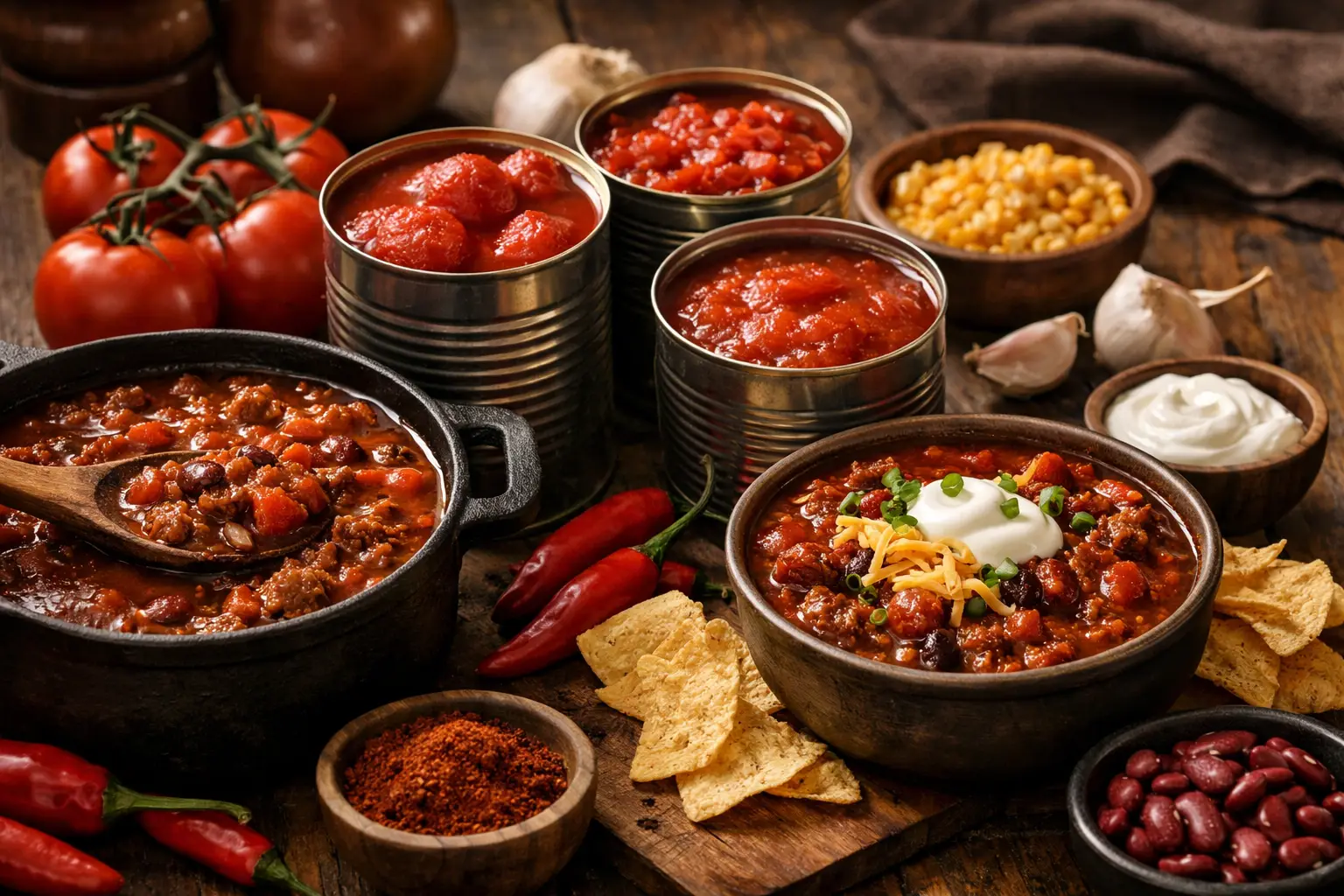
One can can make or break a pot. If you’ve ever made chili that tasted thin, too sharp, oddly sweet, or strangely watery, there’s a good chance the problem started with the tomatoes. Choosing the best canned tomatoes for chili is less about brand hype and more about matching the can to the style of chili you want in the bowl.
That matters because chili is not one thing. A thick, beefy Texas-inspired pot wants a different tomato profile than a bean-heavy weeknight ground turkey chili or a smoky, chunky tailgate batch. Tomatoes can bring body, brightness, sweetness, umami, and color, but they can also crowd out your chiles and spices if you pick the wrong type. The sweet spot is balance.
What makes the best canned tomatoes for chili?
For chili, the best canned tomatoes do three jobs at once. They add depth, they support texture, and they stay in their lane.
Depth comes from ripeness and concentration. Good canned tomatoes taste fully developed, not pale or metallic. You want a tomato that feels savory enough to stand next to cumin, chile powder, garlic, onion, and browned meat without disappearing.
Texture is just as important. Some tomatoes melt into the pot and help create that thick, spoon-coating consistency. Others stay chunky and give the chili a more rustic, stew-like feel. Neither is wrong. It depends on whether you want a smooth, integrated base or visible tomato pieces in every scoop.
Then there’s restraint. The best canned tomatoes for chili should support the flavor architecture, not hijack it. If a can is aggressively acidic, heavily sweet, or packed with thin tomato water, you’ll spend the rest of the cook trying to correct it.
The best canned tomato types for chili
If you only remember one thing, remember this: crushed tomatoes are the easiest all-around pick.
Crushed tomatoes
Crushed tomatoes are the weeknight MVP. They give you immediate body, distribute evenly through the pot, and cook down into a cohesive base without much extra work. For most classic American chili recipes, especially ground beef or beef-and-bean versions, crushed tomatoes are the most reliable starting point.
They’re especially useful when you want the spice blend to feel woven into the sauce rather than sitting on top of it. The trade-off is that some crushed products can be looser than expected, so you still need to check the label and the can. Some brands are almost puree, while others are chunkier and more substantial.
Diced tomatoes
Diced tomatoes work best when you want texture that reads clearly in the final bowl. Think casual game-day chili, turkey chili, or recipes where beans, corn, and peppers are all part of the mix. They hold their shape more than crushed tomatoes, which can make the finished chili feel livelier and less uniform.
The downside is that diced tomatoes can stay a little too firm, especially in shorter cooks. Some are treated to help the cubes keep their shape, and that can be a plus or a minus. If you love a chunky chili, great. If you want a tighter, richer pot, they may need more simmer time or a little help from tomato paste.
Whole peeled tomatoes
Whole peeled tomatoes are for cooks who like control. You can crush them by hand for an irregular, rustic texture or break them down more fully for a smoother finish. They often have a cleaner tomato flavor than pre-diced products, and they can be an excellent choice for longer-simmered chili.
This is a strong pick if you’re building a pot with layers - browning meat hard, blooming spices, maybe adding dried chiles, stock, and a slow reduction. Whole tomatoes let you steer the texture instead of accepting what the can decided for you.
Fire-roasted tomatoes
If your chili leans smoky, fire-roasted tomatoes can be a power move. They bring a charred edge that pairs naturally with ancho, chipotle, smoked paprika, and grilled or deeply browned meat. In a beef chili with black beans, or a batch meant to taste a little campfire-adjacent, they fit right in.
But they’re not automatically better. In delicate or cleaner-tasting chili styles, fire-roasted tomatoes can pull attention away from the chile peppers themselves. If your recipe already uses smoked ingredients, adding fire-roasted tomatoes can tip the whole pot into one-note territory.
Tomato puree and sauce
These are useful, but usually not as the main event. Puree and sauce can add body quickly, especially in fast-cooking chili, but they can also flatten texture if used alone. Think of them as supporting players when your pot needs extra tomato backbone without extra chunks.
Tomato paste
Tomato paste is not a substitute for canned tomatoes, but it’s often the fix that makes them work better. A spoonful or two adds concentration, darkens the flavor, and helps a loose chili tighten up. It’s especially helpful when your canned tomatoes taste thin or your chili needs a richer base.
What to look for on the label
Ingredient lists matter more than marketing language. The best canned tomatoes for chili usually have tomatoes, tomato juice or puree, maybe salt, basil, or citric acid, and not much else.
If sugar is high on the ingredient list, that’s a warning sign for chili. A little natural sweetness is fine. A noticeably sweet tomato can dull your spice profile and make the pot taste more like generic red sauce than chili.
Calcium chloride is worth noticing, too. It helps diced tomatoes stay firm. That can be useful if you want clear chunks, but less ideal if you want them to break down during simmering.
You should also watch for watery cans. When a product is packed with lots of thin liquid and weak tomato solids, you end up paying for reduction time. That’s not fatal, but it’s annoying on a Tuesday night.
Brand traits that usually work best
Rather than chasing a single winner, look for a style of canned tomato that fits your chili goals.
San Marzano-style tomatoes can be excellent when you want lower acidity and a fuller, sweeter tomato profile. They tend to create a rounder, smoother chili. That said, some cooks find them almost too polished for rough-edged, aggressively spiced chili.
Mainstream American grocery brands can be great for chili because they’re consistent, affordable, and often designed for cooked applications. If you’ve found one that gives you good thickness and balanced acidity, that’s not a compromise. That’s a smart pantry staple.
Italian imports often shine in long-simmered chili where tomato quality has room to show. Value brands can still work, especially in heavily spiced recipes, but they’re more likely to run watery or metallic. If your chili depends on tomato depth, that difference shows up.
Matching tomatoes to chili style
This is where the can really earns its spot.
For classic beef-and-bean chili, crushed tomatoes are usually the cleanest answer. They build a thick, familiar base and let the seasoning blend carry the pot. Add tomato paste if you want extra richness.
For Texas-style or Texas-inspired chili, use less tomato overall and choose whole peeled or crushed tomatoes with a deep, savory flavor. The tomatoes should support the chile-forward profile, not dominate it. In some versions, you may only want a small amount.
For turkey or chicken chili, diced or crushed tomatoes both work, but brighter, slightly more acidic tomatoes can help leaner meat taste more vivid. Just don’t let acidity get sharp.
For smoky chili with chipotle, brisket, or charred vegetables, fire-roasted tomatoes are a natural fit. They amplify that darker flavor lane without needing much persuasion.
For vegetarian chili, tomato quality matters even more. Without rendered beef fat doing heavy lifting, the tomatoes need to contribute body and savoriness. Crushed tomatoes plus a little paste is often the strongest combo.
Common tomato mistakes in chili
The biggest mistake is using the same tomato for every chili. A can that works beautifully in marinara may be too sweet or too soft for a bold, spice-driven pot.
The second mistake is assuming more tomato equals better chili. Too much tomato can turn the whole thing soupy, acidic, or closer to stew than chili. If your bowl tastes red but not deep, you probably overshot.
Another common issue is skipping the cook time needed to tame acidity. Even the best canned tomatoes for chili need time to settle into the pot. If your chili tastes harsh after 20 minutes, it may not need sugar. It may just need another half hour.
So what should you actually buy?
If you want one safest bet, buy a good-quality can of crushed tomatoes with a short ingredient list and a thick consistency. That’s the most flexible choice for most home chili recipes.
If you like a chunkier bowl, pick diced tomatoes but be ready for a longer simmer. If your chili lives in the smoky lane, go fire-roasted. If you enjoy tweaking texture yourself, whole peeled tomatoes give you the most control.
And if your favorite recipe always turns out a little thin, don’t switch the whole plan right away. Keep the tomatoes and add tomato paste at the beginning, cooked briefly with the aromatics. Small adjustments often do more than dramatic swaps.
Every bowl tells a story, and tomatoes are part of the plot whether they get top billing or not. The right can won’t just make your chili taste more tomatoey - it’ll make the meat feel richer, the spices taste rounder, and the whole pot land exactly where you wanted it.