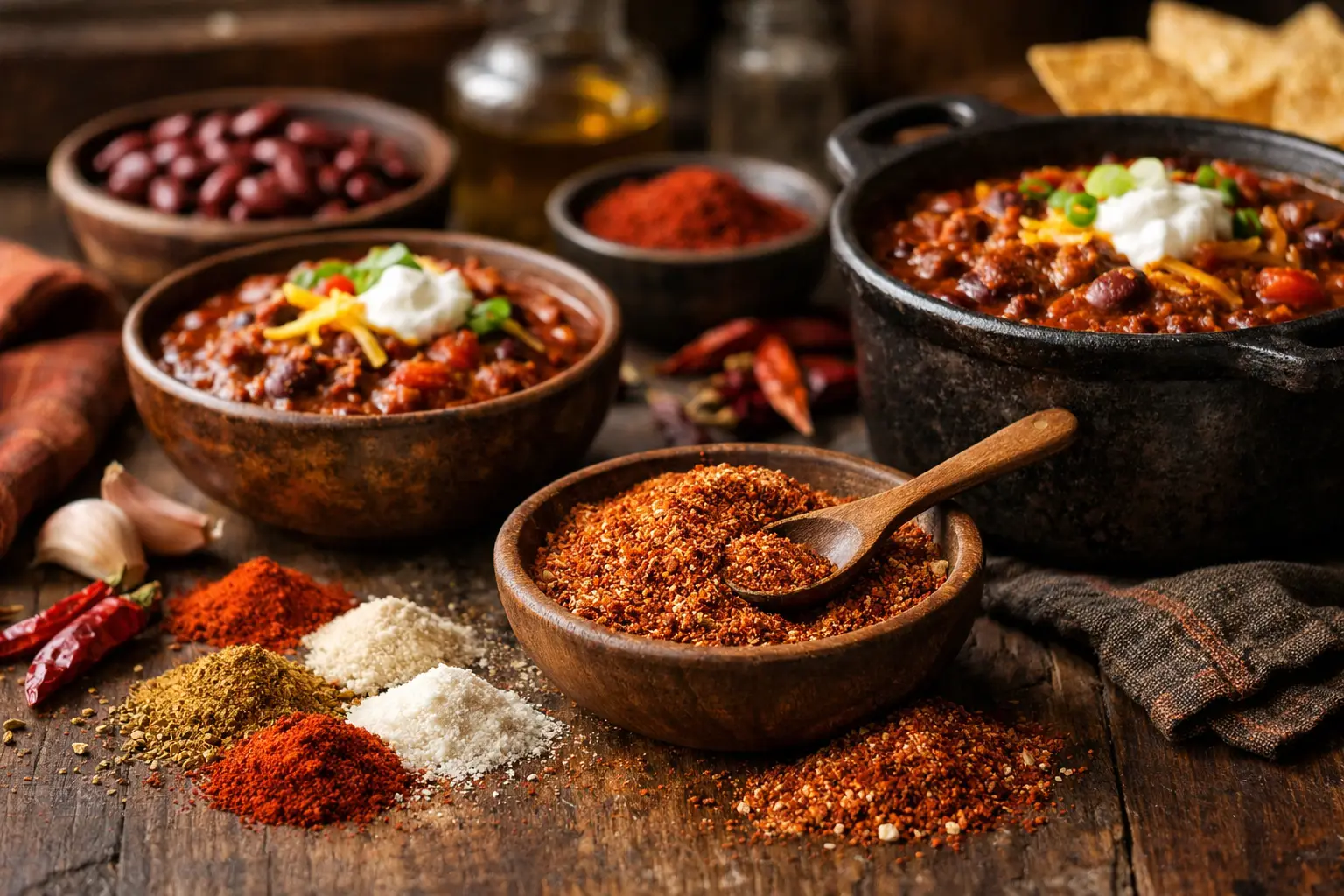
Some chili recipes fail before the pot even gets warm. Not because the meat was wrong or the beans were controversial, but because the seasoning landed flat, dusty, or weirdly one-note. A great easy chili seasoning blend fixes that fast. It gives your pot structure, warmth, depth, and just enough personality to taste like an intentional bowl instead of a pile of tomato and regret.
The good news is that chili seasoning does not need to be complicated. You do not need a spice cabinet that looks like a specialty market, and you definitely do not need a store packet loaded with filler when the best version is usually sitting in your pantry already. What matters is understanding which spices do the heavy lifting, which ones round things out, and how to adjust the blend for the chili you actually want to eat.
What makes an easy chili seasoning blend work
At its core, chili seasoning is a balancing act between heat, earthiness, savoriness, and aroma. Chili powder usually forms the backbone. It brings mild chile flavor and that familiar chili-house depth. Cumin adds the earthy note that makes a bowl smell like chili the second it hits the stove. Garlic powder and onion powder build savory body, while paprika fills out the middle and can add sweetness or smokiness depending on the type you use.
Then come the small but important players. Oregano adds a slightly herbal edge that keeps the blend from tasting muddy. A little salt wakes everything up. Black pepper sharpens the finish. If you like more heat, cayenne or chipotle powder can push the bowl in a hotter direction without changing the whole flavor profile.
What throws people off is that chili is not one fixed style. A beefy Texas-inspired pot wants something different from a turkey weeknight chili or a Cincinnati-style variation. So the best easy chili seasoning blend is not a rigid formula. It is a reliable base that you can nudge warmer, smokier, sweeter, or hotter depending on the pot.
The base blend to keep on repeat
If you want one dependable mix for a standard 1 to 2 pound batch of chili, start here: 3 tablespoons chili powder, 2 teaspoons cumin, 2 teaspoons paprika, 1 teaspoon garlic powder, 1 teaspoon onion powder, 1 teaspoon dried oregano, 1 teaspoon kosher salt, and 1/4 to 1/2 teaspoon black pepper. If you want noticeable heat, add 1/4 teaspoon cayenne.
This ratio works because it leads with familiar chili flavor and backs it up with enough cumin and allium depth to taste full, not thin. Paprika smooths out the blend so it does not read as just cumin and heat. Oregano stays in the background, where it should. The result is broad enough for beef, turkey, chicken, or bean chili.
If you mix this ahead in a jar, it keeps well for months, though the flavor is best when your spices are reasonably fresh. Old chili powder is one of the main reasons homemade blends can taste dull. If your spice smells faint or dusty straight from the jar, your chili probably will too.
How to use the blend without muting it
The blend matters, but so does the moment you add it. Dumping all your spices into a watery pot and hoping for magic is not the move. Chili seasoning opens up when it hits fat and heat first.
If you are browning beef, turkey, or sausage, add the seasoning after the meat is mostly cooked and there is still a little fat in the pot. Stir for 30 to 60 seconds before adding tomatoes, broth, or beans. That quick bloom wakes up the cumin, deepens the chili powder, and takes the edge off powdered spices.
If your chili starts with onions and peppers, you can also add the blend after the vegetables soften. Either way, avoid scorching it. Burned cumin turns bitter fast, and then the whole pot has a grudge.
For a full batch of chili, this base blend is usually enough on its own. But chili changes as it simmers. Tomatoes can push acidity forward. Beans can soak up seasoning. Broth can thin everything out. Taste again after 20 to 30 minutes and decide whether the pot needs more salt, more heat, or more chili powder rather than blindly doubling every spice.
Easy chili seasoning blend by chili style
This is where things get fun, because one blend can tilt into very different territory with a few smart changes.
For a Texas-style bowl, reduce or skip the oregano and lean harder on chile flavor. A little ancho or chipotle powder added to the base makes it taste darker and more focused. If you want that red, rich, beef-first profile, cumin should support, not dominate.
For a family-style ground beef chili with beans, the base blend above is right in the pocket. It is familiar, balanced, and forgiving. This is the version that tastes like a proper weeknight pot and plays nicely with shredded cheese, sour cream, scallions, or a sleeve of saltines.
For turkey or chicken chili, keep the seasoning bold. Lean proteins need help. A touch more garlic powder, a little extra paprika, or a pinch of cayenne gives lighter meat enough backbone to carry the bowl.
For smoky chili, swap standard paprika for smoked paprika and consider chipotle powder instead of cayenne. Just be careful. Chipotle is not only hotter. It is moodier. A little goes a long way, and too much can bulldoze the rest of the pot.
For a milder crowd, keep the chili powder, cumin, garlic powder, onion powder, and paprika, then skip cayenne entirely. Heat is easy to add later. It is much harder to talk a pot back down once it starts throwing punches.
Common mistakes that make chili seasoning taste off
The biggest mistake is overloading cumin. Cumin is essential, but it is loud. Too much and your chili starts tasting more like taco filling than a slow-built bowl. Chili powder should usually stay in front.
Another common problem is under-salting the spice blend. People focus on heat, then forget that salt is what helps the flavor read clearly. If your chili tastes flat, it may not need more chili powder. It may just need proper seasoning.
Sweetness can also get awkward. Some store blends lean sugary, which works for certain barbecue-adjacent recipes but can feel out of place in a classic chili. If you want sweetness, let it come from onions, tomatoes, or a subtle pinch of paprika rather than a heavy hand with sugar.
And then there is the freshness issue. Spices are not immortal. If your paprika has lost its color and your chili powder smells like cardboard, the blend will never fully show up.
Should you add extras?
Sometimes yes, but only if the bowl calls for it.
A pinch of cocoa powder can add depth to a beef chili, especially one with dark chiles or a long simmer. Cinnamon, used very carefully, can push a pot toward a Cincinnati-inspired profile. Crushed red pepper adds a different kind of heat than cayenne - a little more jagged, a little less blended in. Coriander can brighten a chili, though it is not essential in most classic American styles.
The trick is not turning your easy chili seasoning blend into a spice cabinet flex. Chili rewards confidence more than clutter. You want clear flavor signals, not twenty ingredients all talking at once.
Make-ahead or mix as you go?
If you cook chili often, making a jar ahead is absolutely worth it. It saves time, keeps your flavor consistent, and makes weeknight chili much easier to pull off. For home cooks who like to compare bowls and tweak styles, this also gives you a strong baseline. You can build from there instead of reinventing your spice mix every time.
If you only make chili once in a while, mixing it fresh is also fine. In some cases it is better, because you can adjust the ratio based on the specific recipe. A bean-heavy slow cooker chili might want a little more punch. A richer short-rib pot might need restraint.
That is the beauty of a homemade blend. You are not locked into a packet designed for no one in particular. You get to decide whether tonight's bowl is smoky, straightforward, fiery, or somewhere in the middle.
At ChiliStation, every bowl tells a story, and seasoning is usually where that story either comes together or falls apart. Keep your blend simple, keep your spices fresh, and taste as the pot evolves. When the seasoning is right, chili stops tasting like ingredients and starts tasting like a point of view.