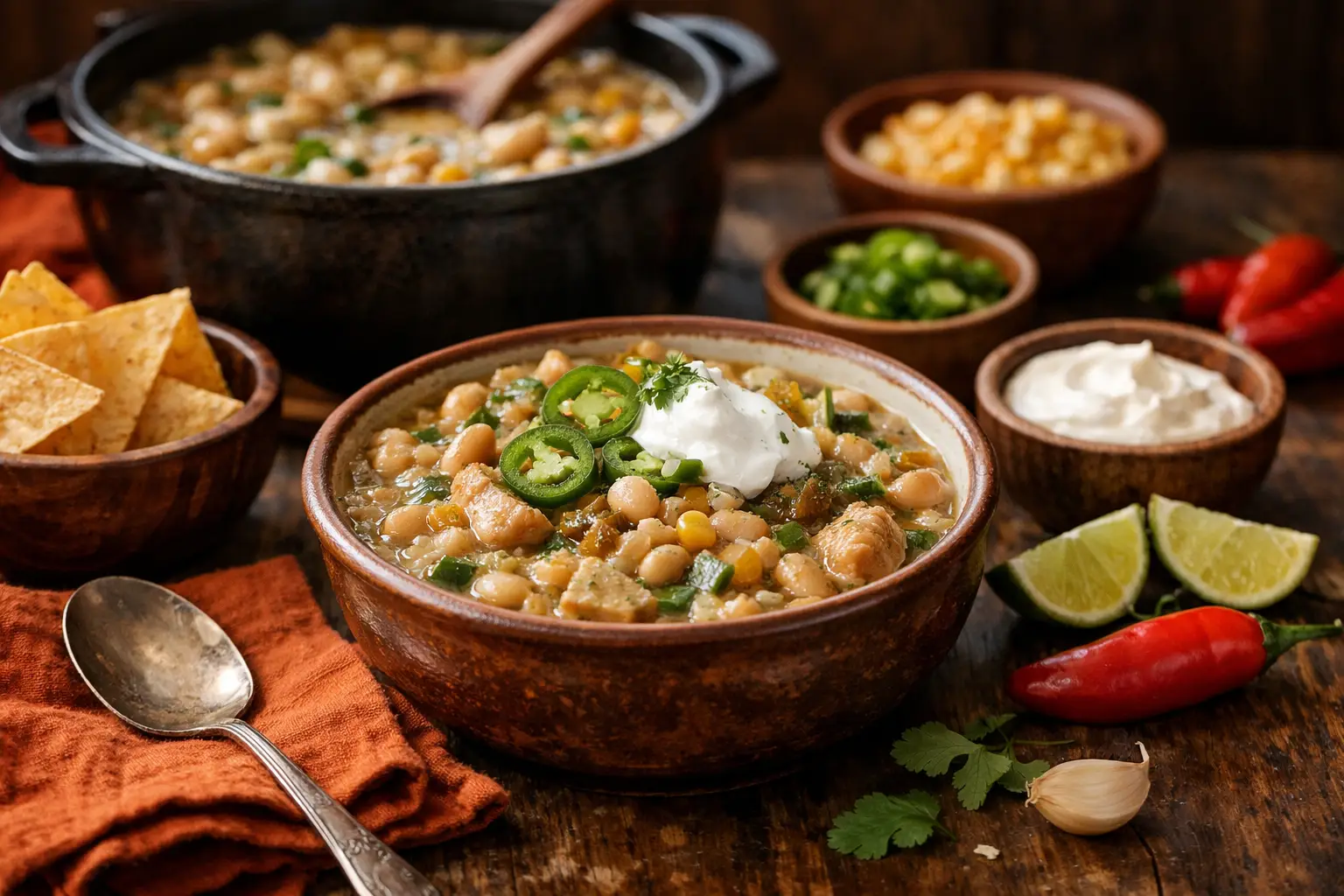
White chili has a way of confusing people right up until the first spoonful. If your mental picture of chili is red, beefy, and built on tomatoes, this guide to white chili is the reset button - a clear look at what it is, why it works, and how to make a bowl that tastes full-bodied instead of pale and forgettable.
White chili is usually built around chicken or turkey, white beans, green chiles, onion, garlic, and a lighter broth-based base. Sometimes it leans creamy with sour cream, cream cheese, or heavy cream. Sometimes it stays brothier and lets the beans do the thickening. What makes it white chili is not strict purity in color so much as the flavor family: savory, chile-forward, gently tangy, and usually more herbal than smoky.
That matters, because white chili is often treated like a novelty cousin to classic red chili when it is really its own lane. A good bowl should feel cozy and rich, but also brighter and a little punchier. You want warmth, not mud. You want creaminess, not heaviness. And you want enough green chile flavor that it still reads as chili, not chicken stew in disguise.
What a guide to white chili should clear up
The biggest misconception is that white chili is just red chili with the tomatoes removed. That approach usually produces a flat, under-seasoned pot. Red chili can lean on dried chiles, tomato acidity, browned beef, and deep earthy spice. White chili needs a different architecture.
Its backbone usually comes from onion and garlic cooked until soft, cumin for warmth, oregano for lift, green chiles for identity, and beans for body. Chicken stock gives it savory depth. If you add dairy, that dairy should round things out, not carry the whole dish. The best versions taste layered before the cream ever goes in.
Protein choice shifts the personality. Chicken breast keeps things lean and clean, but it can dry out if overcooked. Chicken thighs bring more flavor and forgiveness. Ground turkey creates a softer, more weeknight-friendly version. Rotisserie chicken is the shortcut move when speed matters more than building everything from scratch.
The key ingredients that make white chili work
Beans are doing more than filling space. Great Northern beans are a classic choice because they break down just enough to naturally thicken the pot while still holding shape. Cannellini beans bring a creamier interior and a slightly more luxurious feel. Navy beans work too, but they can go soft faster, which is either a plus or a downside depending on whether you want a thicker, more rustic bowl.
Green chiles are where the character lives. Canned diced green chiles are reliable and easy, especially for a mellow batch. Roasted poblano peppers add more freshness and a subtle bitter edge that keeps the chili interesting. Jalapenos or serranos can raise the heat, but they should support the bowl, not hijack it. White chili usually shines in the medium zone, where you can still taste the beans, stock, and herbs.
Spices should stay focused. Cumin is the anchor. Coriander can add citrusy brightness if you like a fresher profile. Mexican oregano fits beautifully. A little white pepper or black pepper adds background heat. Paprika is optional. Smoked paprika can be good in small amounts, but too much pushes the pot toward a confused hybrid that wants to be red chili.
Then there is the creamy question. Cream cheese makes white chili thick and plush, but it also makes the flavor heavier and slightly tangier. Sour cream gives silkiness with more brightness. Heavy cream is smooth and simple, though less characterful. You can also skip dairy entirely and puree some of the beans with broth for a naturally creamy result. That move keeps the bowl lighter and lets the green chile flavor stay front and center.
How to build flavor without turning it into soup
The first step is still the boring-looking one that changes everything: cook the aromatics properly. Onion needs a few minutes to lose its raw bite. Garlic should bloom briefly, not brown. If you are using fresh peppers, give them time to soften and sweeten.
From there, toast the spices in the fat for a short moment so they smell alive. Add stock, beans, chiles, and protein, then simmer gently. White chili does not usually need a long all-day cook the way some red chilis do, but it still benefits from 20 to 40 minutes of mingling time. That is when the beans start sharing starch, the stock concentrates a bit, and the whole pot begins tasting like one thing instead of several ingredients in the same saucepan.
Texture is the line between average and craveable. If the chili is thin, mash a scoop of beans into the broth or blend a small portion and stir it back in. If it gets too thick, loosen it with stock instead of milk unless you want more richness. If you dump in a lot of dairy too early and boil it hard, the texture can split or go heavy. Lower heat is your friend here.
Acid is often the missing note. A squeeze of lime at the end can wake up the entire bowl. So can a spoonful of salsa verde, depending on the style you want. White chili needs that little flash of brightness more often than people realize.
Style choices that change the bowl
There is no single official white chili blueprint, and that is part of the fun. Some versions are creamy and crowd-pleasing, built for game day and topped with shredded Monterey Jack, avocado, and tortilla strips. Others are more chile-driven, with roasted poblanos, cilantro, and a thinner broth that feels almost Southwestern.
Bean-forward versions eat like pure comfort food. They are hearty, affordable, and ideal for meal prep. Protein-forward versions, especially with shredded chicken thigh, feel meatier and a little closer to classic chili expectations. If you are feeding a mixed crowd, the safest route is usually a medium-thick chicken-and-bean version with toppings on the side.
Heat level is another real fork in the road. Mild white chili can be creamy and family-friendly, but it risks fading into the background if you do not build enough savory depth. Spicier versions have more personality, but too much heat can flatten the subtler herbal notes that make white chili distinct. Usually, the sweet spot is a bowl that feels warm after a few bites, not one that announces itself with pain.
Common mistakes and how to fix them
The most common miss is blandness. That usually comes from under-salting, weak stock, or relying on dairy as flavor. Taste before adding cream, then season again after. Beans absorb salt differently across brands and cooking methods, so there is no magic amount.
Another issue is a chili that tastes like chicken soup with beans. If that happens, you probably need more cumin, more green chile presence, or a stronger finish. Lime juice, cilantro, and a pinch more oregano can sharpen the identity fast.
If the pot turns too rich, do not keep adding cheese in hopes of making it better. Balance it instead. More stock, a little acid, and fresh toppings can bring it back. If it is too spicy, extra beans or a swirl of sour cream will soften the edges better than plain water.
Toppings are not extra here
White chili really comes alive at the finish line. Cilantro adds freshness. Crushed tortilla chips or strips add contrast. Diced avocado brings soft richness that feels cleaner than more cheese. Shredded pepper jack, Monterey Jack, or cotija each take the bowl in a slightly different direction.
A few toppings can completely change the mood. Pickled jalapenos make it sharper and brighter. Scallions give it a crisp green bite. A spoonful of sour cream cools the heat and thickens each bite. If you like a little internet-food energy in your comfort meals, this is the kind of chili that rewards customization without losing the plot.
When white chili is the right call
White chili is perfect when you want comfort food that feels a little lighter and faster than a heavy red pot. It fits cold nights, game days, and meal-prep Sundays, but it also works surprisingly well year-round because the flavor profile is brighter. If red chili feels too dense for the moment, white chili often hits the same cozy note with more lift.
It is also a smart choice for people who want chili flavor without committing to beef or tomatoes. That makes it useful for households navigating preferences, pantry limits, or just boredom with the usual rotation. Platforms like ChiliStation exist because chili is not one thing - it is a whole map of styles, and white chili deserves a confident pin of its own.
A good bowl of white chili does not need to imitate red chili to earn its place. It just needs clear flavor, the right texture, and enough green chile character to tell you exactly what it is. Start there, season with intention, and let the bowl be its own story.