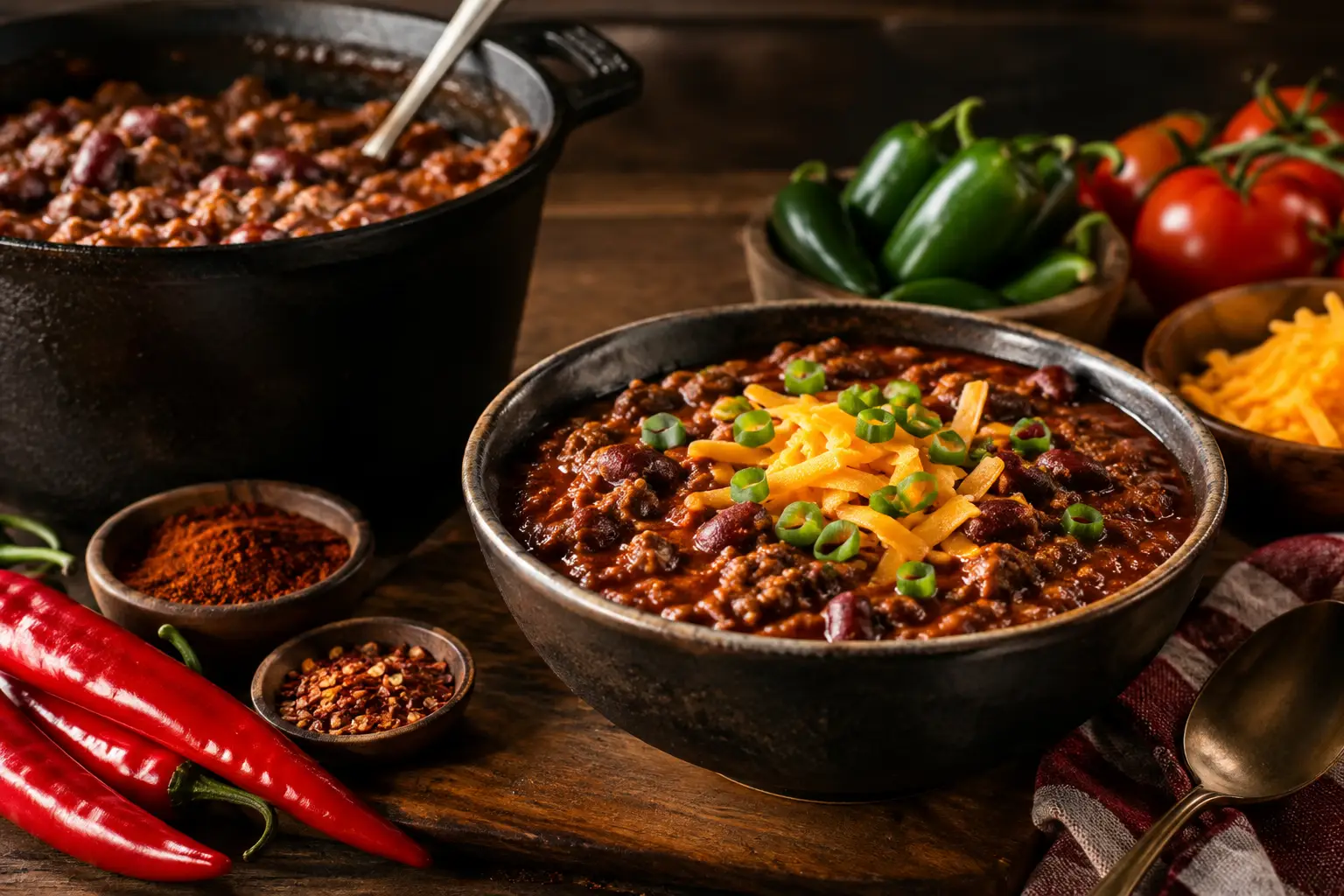
A pot can be deeply spicy, smoky, and bold without being bitter. When that sharp, lingering edge takes over, the chili bitterness causes are usually hiding in the cooking process, not in some mysterious flaw in the recipe. The good news: a bitter batch is often fixable, especially if you catch the issue before the final simmer turns everything muddy.
Bitterness is not the same as heat. Heat lands as a burn, while bitterness clings to the back of the tongue and can make beans, meat, and tomatoes taste flat. A great chili needs contrast - rich meat, bright acidity, toasted spice, a little sweetness, and heat that knows its place. Every bowl tells a story, but burned cumin should not be the narrator.
Chili Bitterness Causes: Start With the Pot
The most common culprit is scorched seasoning. Chili powder, ground cumin, paprika, oregano, and garlic all bloom beautifully in fat over moderate heat. Leave them in a dry or screaming-hot pot for too long, though, and their aromatic oils turn acrid fast. Paprika and garlic powder are especially unforgiving.
Tomato paste can cause the same problem. It benefits from a brief cook in the rendered fat because that deepens its savory flavor. But if it darkens from brick red to nearly brown or starts sticking in a dry pan, it can bring a bitter, burnt note to the whole batch. Deglaze promptly with stock, tomatoes, beer, or a splash of water, scraping up the flavorful browned bits while leaving any truly black residue behind.
Aromatics deserve the same attention. Charred onion edges, blackened garlic, and peppers cooked past caramelized into burnt can push a chili toward harshness. There is a difference between smoky and scorched. A roasted poblano with blistered skin belongs in Colorado green chili; a poblano that has turned ashy all the way through does not.
Dried Chiles Can Taste Harsh When Mishandled
Dried guajillos, anchos, pasillas, New Mexico chiles, and chipotles bring complexity that jarred chili powder cannot always match. They can also become bitter if toasted too aggressively. A few seconds per side in a dry skillet, just until fragrant and pliable, is enough. If they smoke, blacken, or smell like burnt popcorn, start over.
Soaking and blending dried chiles helps, but it does not erase a scorched flavor. Straining the blended sauce can remove tough skins and seeds that sometimes add a rough texture and bitter edge. This matters most in a smooth Texas red or a chile-forward New Mexico-style bowl, where there is nowhere for an unpleasant chile flavor to hide.
Old dried chiles and stale spice blends can be a quieter source of bitterness. They may not taste dramatically bad on their own, but their faded fruitiness leaves behind a dusty, bitter impression once concentrated in a long-simmered pot. Smell your spices before they go in. Bright, warm, peppery aroma: good. Musty, cardboard-like aroma: retire them.
Your Simmer May Be Too Aggressive
Chili rewards patience, but not punishment. A hard boil can reduce the liquid too quickly, concentrating bitter spice compounds, tannins, and salt. It can also break down beans and meat until the texture feels heavy rather than luxurious.
Keep the pot at a lazy simmer, with occasional small bubbles rather than a rolling boil. If the chili is thickening faster than the flavors are melding, add stock or water in small additions and lower the heat. This is particularly useful for bean-heavy weeknight chili, where the liquid has less rendered meat fat to soften sharp flavors.
Watch ingredients with naturally bitter or tannic qualities, too. Unsweetened cocoa, dark coffee, stout, and very hoppy beer can add dark, grown-up depth in the right amount. They are supporting players, not the headline act. A spoonful of cocoa can round out a beefy red chili; an overpour of aggressively bitter beer can make the pot taste like it is trying too hard.
Too Much Heat Can Read as Bitterness
Seeds and pale pepper membranes are not automatically bitter, but a high concentration of them can make heat feel rough, green, and unpleasant. That sensation is often described as bitterness, especially when there is not enough fat, salt, or sweetness to balance it.
The answer is not always to strip every pepper bare. Jalapeños, serranos, and fresh chiles bring valuable flavor in their seeds and membranes, and heat lovers may want that full-force profile. It depends on the style and the crowd. For a family-friendly turkey chili, remove membranes and seeds from most peppers. For a fiery pot built around habaneros or fresh red chiles, use them deliberately and counter them with a richer base.
Also consider the pepper itself. An unripe green bell pepper can turn a little bitter after a long cook, especially if its flavor is not balanced by sweet onion, ripe tomatoes, or roasted chiles. Green chili thrives on a brighter, more vegetal profile, but it still needs savory depth from pork, chicken, stock, or beans.
How to Rescue Bitter Chili Without Making It Candy-Sweet
First, identify whether the bitterness is burned, chile-heavy, overly reduced, or simply out of balance. A rescue works best when it targets the actual issue instead of throwing every pantry fix at the pot.
If the chili tastes concentrated and rough, stir in a little unsalted stock or water and let it simmer gently for 10 minutes. This dilutes the harshness without changing the chili’s identity. If it needs body afterward, add cooked beans, more browned meat, or a small amount of crushed tomato.
For a mild bitter edge, a touch of sweetness can help. Use a small amount of brown sugar, maple syrup, honey, or even finely grated carrot, then taste again. Think teaspoon territory, not dessert territory. Sweetness should soften the corners, not announce itself.
Acid can brighten a dull, heavy pot, but it is not a universal bitterness cure. A squeeze of lime, a dash of cider vinegar, or a spoonful of tomato can make rich chili pop. If the pot already tastes sharp or burnt, extra acid may amplify the problem. Add it only after tasting.
Fat is often the most overlooked fix. Sour cream, shredded cheese, avocado, a spoonful of masa harina mixed with water, or a little more rendered beef fat can round out a bitter finish. Serve-it-yourself toppings are especially useful because they let each bowl land where the eater wants it. One person wants raw onion and hot sauce; another wants cheddar, crema, and a mountain of crackers. Both are valid chili behavior.
If you can taste actual burned residue, do not scrape it into the sauce. Carefully transfer the chili to a clean pot, leaving the stuck-on layer behind. Then rebuild balance with fresh liquid and one or two supporting ingredients. Burnt flavor does not mellow with time.
Build a Rounder Chili From the Beginning
The cleanest solution is a layered cooking order. Brown meat in batches so it develops savory color instead of steaming. Cook onions until soft and lightly golden. Add garlic briefly. Bloom ground spices for seconds, not minutes, then add liquid before they darken. If using dried chiles, toast them lightly, rehydrate them, blend them, and taste the sauce before it joins the pot.
Season in stages. Salt added early helps ingredients taste like themselves, but the final salt adjustment should happen after reduction. The same goes for hot sauce, chipotle, cocoa, coffee, and sugar. Long simmers change the balance, and a chili that tastes perfect at minute 20 can taste wildly different an hour later.
Give the finished pot a short rest before serving. Ten to 15 minutes off heat lets the flavors settle and gives you a clearer read on what the chili needs. Then make the final move with confidence: more salt for flavor, lime for lift, stock for softness, or a little sweetness for balance.
A bitter chili is rarely a lost cause. Taste early, cook gently, and treat each adjustment like a deliberate ingredient rather than an emergency button. The bowl you save may become the one everyone asks you to make again.