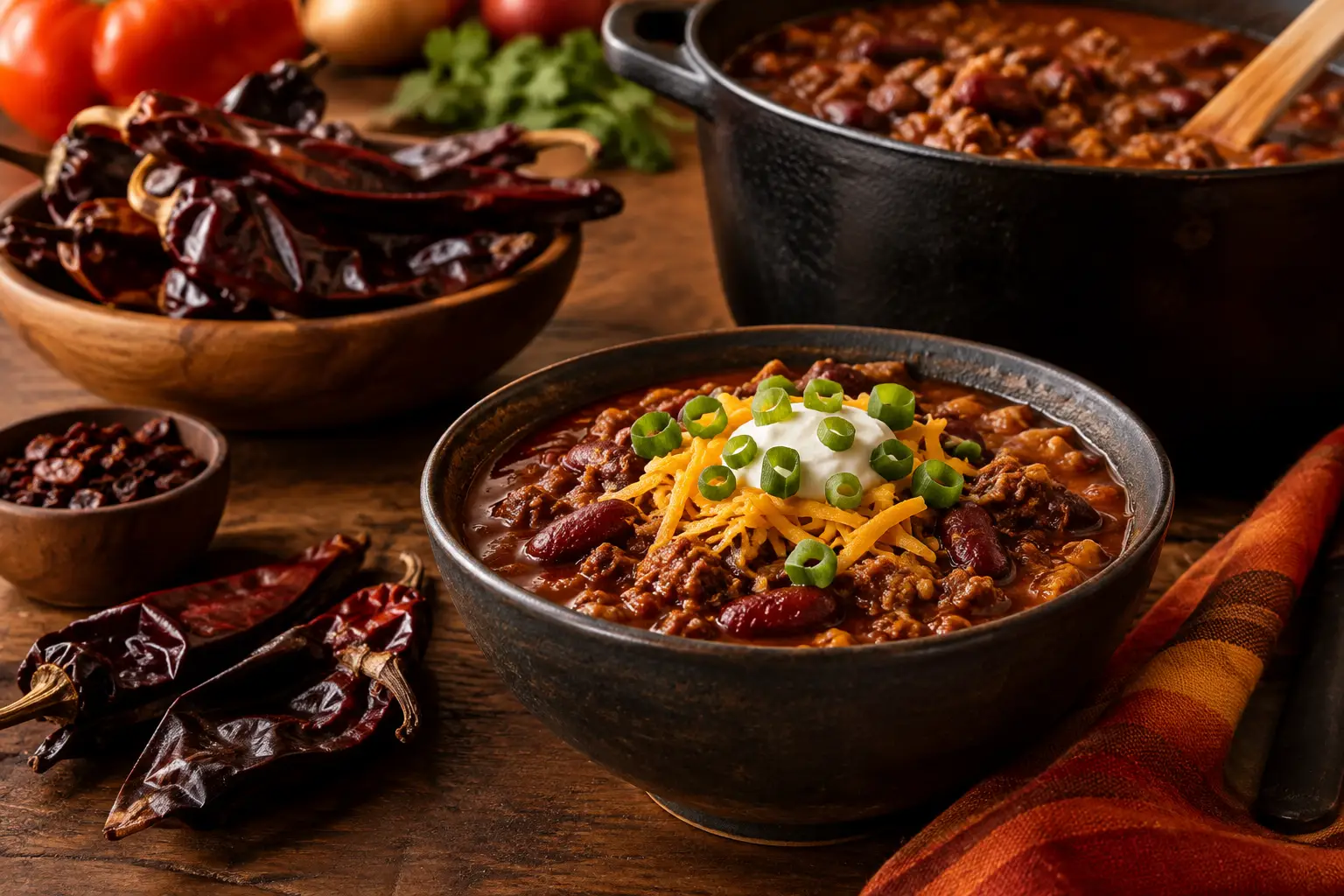
A spoonful of chipotle can take a chili from familiar to campfire-smoky in seconds. That is the appeal - and the risk. Chipotle peppers bring more than heat, so learning how to use chipotle peppers is really about controlling their deep, earthy smoke without letting it flatten every other flavor in the pot.
For chili cooks, chipotle is a power player. It can sharpen a quick ground-beef weeknight bowl, give turkey chili more backbone, or add a darker edge to a bean-heavy vegetarian batch. Use it with intention, and it tastes like a slow-simmered secret. Use too much, and your carefully built chili starts tasting like a bottle of liquid smoke.
What chipotle peppers actually taste like
A chipotle is a ripe jalapeño that has been smoked and dried. Since jalapeños are usually picked green, the chipotle process starts with red, fully matured peppers. That ripening brings a little fruitiness and sweetness beneath the smoke.
The heat is typically moderate, but the exact pepper matters. One canned chipotle in adobo may feel pleasantly warm in a large pot of chili; another can bring enough fire to surprise a table of mild-chili loyalists. Smoke, dried fruit, earth, and a faint tang are the bigger flavor markers.
Think of chipotle as a seasoning with heat attached, not simply a hotter pepper. It pairs naturally with beef, pork, black beans, pinto beans, corn, tomatoes, sweet potato, and roasted squash. It also plays well with cumin, oregano, garlic, cocoa, coffee, brown sugar, and dark beer. That is a lot of chili territory.
How to use chipotle peppers in chili
For most home cooks, canned chipotles in adobo are the easiest starting point. The peppers are soft, deeply smoky, and packed in a tangy red sauce made with tomatoes, vinegar, spices, and aromatics. You can use the pepper, the sauce, or both.
For a standard pot serving six to eight people, start with one minced chipotle pepper plus one teaspoon of adobo sauce. Add it after sautéing the onions, garlic, and meat or vegetables, then cook it for about 30 seconds before adding tomatoes, stock, or beans. That brief contact with hot fat wakes up the pepper’s flavor and helps it disperse evenly.
Taste after the chili has simmered for 20 to 30 minutes. If you want more smoke and heat, add another teaspoon of adobo sauce first. It is easier to build with sauce than to suddenly drop in a whole extra pepper. The sauce adds a smoother, more integrated smokiness, while minced pepper brings more direct heat and occasional spicy bites.
A Texas-style beef chili can handle chipotle differently than a lighter white chicken chili. In a beefy red bowl with dried chiles, chipotle can be one voice in a full chile chorus. In chicken chili, where flavors are often brighter and creamier, use a smaller amount so the pepper does not bury the lime, cilantro, and roasted green chiles.
Match chipotle to the chili style
Chipotle is especially good when a recipe needs bass notes. Add it to a classic ground-beef chili that feels tomato-forward but one-dimensional. Use it in black bean and sweet potato chili for smoky contrast against the sweetness. Stir a small amount into Cincinnati-inspired chili when you want a bolder, less traditional edge, though the spice profile there is its own distinct thing.
For Colorado green chili or chile verde, tread lightly. Chipotle’s dark smoke can overpower the fresh, grassy character of Hatch or poblano chiles. A tiny spoonful of adobo can add depth, but it should stay in the background.
Choose the right form of chipotle
Chipotle shows up in several forms, and they are not interchangeable by the spoonful. Knowing what is in your pantry keeps recipe substitutions from going sideways.
- Chipotles in adobo are canned whole peppers in sauce. They are the best all-around choice for chili, tacos, sauces, braises, and marinades.
- Chipotle powder is dried, ground chipotle. It offers easy, even distribution and works well in dry rubs, seasoning blends, and quick chili batches.
- Dried whole chipotles need soaking or toasting before blending. They are ideal for cooks building a chile sauce from scratch.
- Chipotle paste is concentrated and convenient, but brands vary widely in salt, acid, and heat. Start small and taste.
If a chili recipe calls for one chipotle in adobo and you only have powder, begin with 1/4 teaspoon of chipotle powder. Then add more in pinches as the chili cooks. The powder will not bring the adobo sauce’s vinegar tang, so a small splash of cider vinegar or lime juice near the end can restore some balance.
Balance the smoke, heat, and acidity
Chipotle’s biggest strength is also its trap: it is loud. A great chili needs contrast, especially after an hour of simmering concentrates every flavor in the pot.
If the chipotle tastes too aggressive, do not immediately reach for more salt. First decide what is missing. A chili that feels smoky but dull may need acid, such as lime juice, red wine vinegar, or a little tomato. A chili that is too hot may need more volume from beans, broth, crushed tomatoes, or unsalted cooked meat. A chili that tastes bitter or overly charred may benefit from a touch of brown sugar, maple syrup, or even a square of dark chocolate.
Dairy toppings help at the bowl level. Sour cream, shredded cheddar, crema, or avocado soften heat without changing the entire pot. That makes chipotle chili a smart choice for mixed heat tolerances: build a medium base, then let toppings and hot sauce handle the personal adjustments.
Beyond the chili pot
Once you have an open can of chipotles in adobo, use the rest. The flavor is too good to lose in the back of the refrigerator.
Blend one pepper with mayonnaise, lime juice, and a pinch of salt for a smoky sandwich spread. Stir adobo sauce into barbecue sauce for pulled pork or grilled chicken. Add a small amount to a pot of black beans, a tomato soup, or a queso dip. For a fast marinade, combine minced chipotle with oil, lime, garlic, cumin, and a little honey, then use it on chicken thighs, shrimp, portobello mushrooms, or flank steak.
Chipotle also earns its place in chili toppings. A chipotle crema gives mild chili a smoky finish. Chipotle cornbread butter turns a simple side into part of the main event. Even a few drops of adobo sauce in a batch of pickled red onions can add a surprising, savory edge.
Store chipotles so they stay useful
An opened can rarely gets used all at once. Transfer the peppers and sauce to a sealed container and refrigerate them for about one to two weeks. For longer storage, freeze individual peppers with a little adobo sauce in an ice cube tray or in small spoonfuls on parchment. Once frozen, move them to a freezer-safe container.
This portioning trick is especially useful for chili night. You can grab one frozen chipotle portion without thawing the entire stash, which makes smoky depth as easy as opening the freezer.
Wear gloves if you are especially sensitive to chile oils, and avoid touching your eyes after chopping. Chipotle is not usually a face-melting pepper, but adobo on your fingers is still a lesson nobody needs to learn twice.
The best chipotle use is not about making every recipe hotter. It is about giving a bowl more story: a little smoke behind the tomato, a little warmth beneath the beans, and a finish that keeps people reaching for one more spoonful.