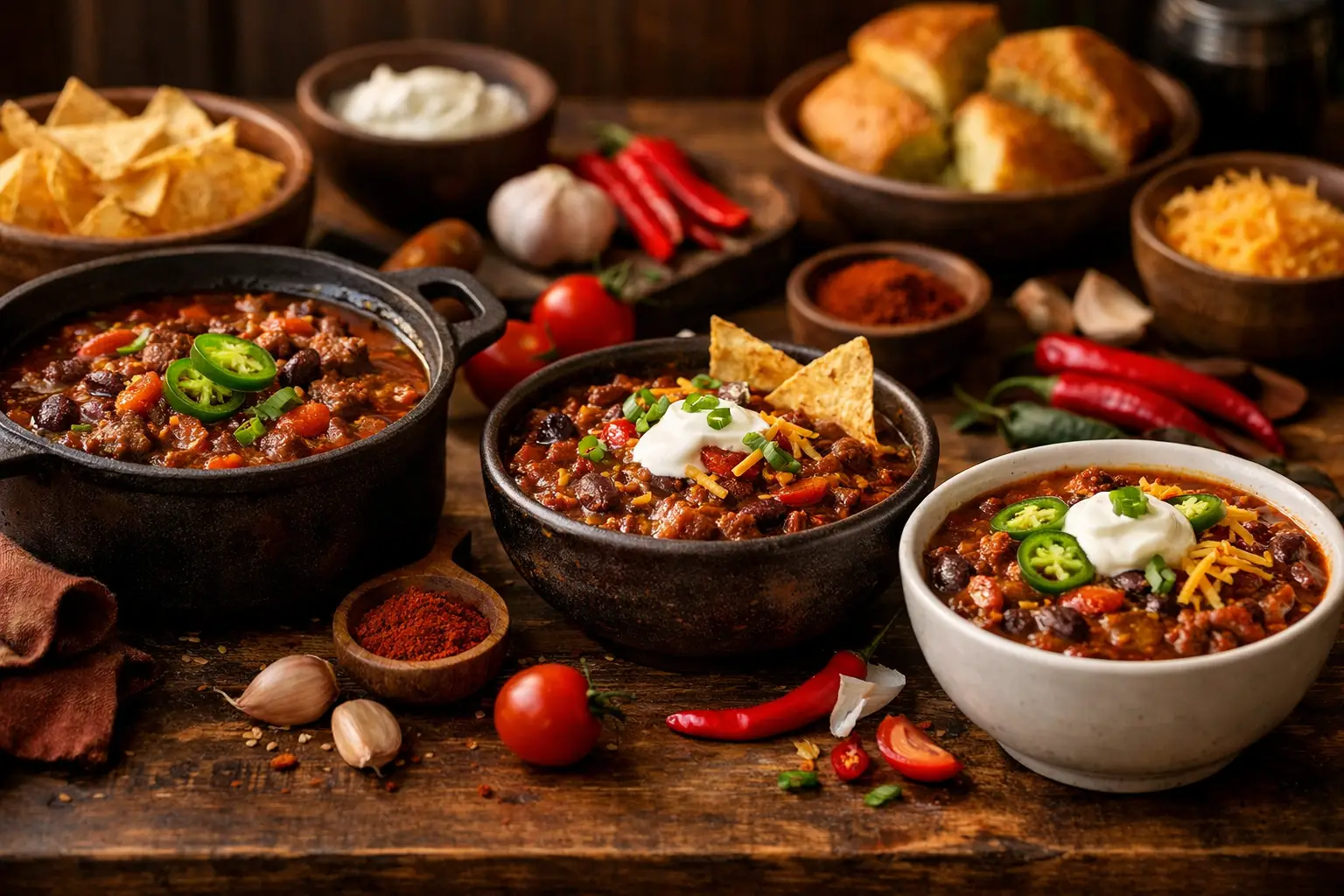
A chili craving is rarely generic. You might want a brick-red Texas bowl with no beans in sight, a creamy white chicken chili for a busy Tuesday, or Colorado green chili built for smothering burritos. The best chili recipe websites make that choice easier. They do more than stack recipes on a page - they help you find the right pot for your mood, your pantry, and your heat tolerance.
That distinction matters because chili is not one recipe. It is a full, rowdy family of regional traditions, weeknight shortcuts, cook-off classics, vegetarian victories, and personal opinions loud enough to start a dinner-table debate. Every bowl tells a story. The right website helps you pick yours without scrolling through 40 nearly identical ground-beef recipes first.
What makes the best chili recipe websites worth using?
A useful chili site should answer a few questions before you even pull out the Dutch oven: What style am I making? How long will it take? Is this mild, medium, or bring-a-cold-drink hot? Can I use turkey, beans, brisket, chicken, or what is already in the fridge?
Recipe quality matters, but organization matters almost as much. Broad food sites can offer a spectacular chili recipe, then bury it beneath unrelated soups, casseroles, and sponsored roundups. A focused collection makes comparison faster. Look for clear descriptions, dependable reviews, useful substitutions, and enough context to know whether a recipe is truly Texas red or simply beef chili with a dramatic name.
7 best chili recipe websites for finding your next pot
1. ChiliStation for style-first chili discovery
ChiliStation is built for the cook who knows that "chili" is only the beginning of the conversation. Rather than treating the category as one crowded search result, it organizes recipes around the details that change the bowl: region, protein, cooking method, chili type, and spice level.
That structure is especially useful when you have a specific target. Looking for Cincinnati chili over spaghetti is a very different mission from hunting down a smoky vegetarian black bean chili or a slow-cooker white chicken chili. Editorial-style summaries add flavor cues and cultural context, so you can tell whether a recipe leans earthy, tomato-forward, bright with green chiles, or deep with dried chile complexity before committing to the grocery run.
It is a strong pick for recipe collectors and curious cooks who want to compare styles, rate favorites, and keep the chili conversation going after dinner.
2. Serious Eats for technique-minded cooks
Serious Eats shines when you want the why behind a great pot of chili. Its recipes often dig into browning, chile preparation, texture, seasoning balance, and the small decisions that separate flat flavor from serious depth. This is where a home cook can learn why toasted dried chiles taste different from chili powder, or why a long simmer changes the character of beef.
The trade-off is that some recipes can feel more involved than a quick pantry dinner. That is not a flaw if you are cooking for a Sunday gathering or chasing a personal best. For a rushed weeknight, you may want a simpler source. But when technique is part of the fun, Serious Eats gives you the culinary receipts.
3. Allrecipes for crowd-tested comfort food
Allrecipes remains one of the most practical stops for classic, familiar chili. Its huge review base can reveal whether a recipe is genuinely dependable, how readers adjusted the heat, and whether it held up for a family dinner, game day, or a freezer batch.
The comments are part of the value here. They can surface helpful swaps for ground turkey, canned beans, or less sodium. They can also create noise, since reader modifications sometimes drift far from the original recipe. Use the ratings as a signal, then read a handful of recent comments before deciding. It is a great place to find approachable red chili, but it rewards a little judgment.
4. Food Network for recognizable, big-flavor recipes
Food Network is a natural choice when you want a recipe with personality. Its collection includes chef-driven interpretations, competition-ready big pots, and familiar comfort-food versions from names many cooks already trust. You will find plenty of options designed to impress a crowd without requiring obscure ingredients.
This is also a good browse for game-day energy: hearty beef chilis, loaded toppings, cornbread pairings, and recipes that are happy to be the center of the table. The downside is variety without always having a clean style map. Search terms matter. Be specific about whether you want turkey, vegetarian, white chicken, or bean-free chili, rather than simply typing "best chili."
5. Taste of Home for low-stress, family-friendly pots
Taste of Home understands the value of a recipe that works on a normal Wednesday. Its chili recipes often favor accessible ingredients, straightforward instructions, and generous yields. If your goal is a pot that kids will eat, neighbors will request, and you can make without a specialty-market detour, this is a smart place to start.
Expect classic American comfort food more often than strict regional authenticity. That can be exactly right. Not every chili night needs a lesson in dried chile varieties. Sometimes you need a dependable slow-cooker recipe that turns ground beef, beans, tomatoes, and a few spices into dinner while life keeps moving.
6. New York Times Cooking for polished recipes and fresh angles
New York Times Cooking brings a more editorial approach to chili. Its recipes often have a clear point of view, whether that means a vegetarian chili with layered vegetables, a streamlined pressure-cooker version, or a carefully balanced meat chili that avoids unnecessary extras.
It is a strong source when you want something familiar but a little sharper around the edges. Recipes tend to be thoughtfully written, and the notes can offer useful cooking insights. Access may require a subscription, which is the main trade-off. If you already use the service, it is worth searching for chili when you want a polished recipe with a fresh angle.
7. Budget Bytes for affordable, pantry-aware chili
Chili does not need expensive cuts of meat or a cabinet full of specialty spices to taste generous. Budget Bytes is especially helpful for cooks who want cost-conscious recipes with clear portions and realistic shopping lists. Its chili options tend to make smart use of beans, canned tomatoes, ground meat, and spices that earn their space in a regular pantry.
This is the site to check when the question is not "What is the most elaborate chili I can make?" but "What can feed six people well without turning dinner into a financial event?" The flavor profiles generally stay accessible, which makes the recipes easy to adapt with extra chipotle, fresh jalapeños, or a bolder chile blend if your crowd wants more fire.
Match the website to the chili you actually want
The best source depends on what success looks like tonight. For regional browsing and fast comparisons across styles, a chili-specialist collection saves time. For technique and from-scratch flavor, choose a site that explains the cooking science. For a tested family standard, lean on reader reviews. For budget cooking or a low-effort slow-cooker meal, prioritize recipes designed around ordinary ingredients.
It also pays to read beyond the title. A recipe called "Texas chili" may include beans, while a supposedly mild white chili may get its heat from a full can of diced green chiles plus cayenne. Check the ingredient list, yield, cook time, and spice notes before you shop. Chili is forgiving, but expectations matter. A fiery, bean-free bowl is wonderful when that is what you wanted - and deeply disappointing when you promised the kids something cozy and mild.
Choose a recipe with a clear identity, then make it yours. Add the toppings that fit the style, save notes on what you would change, and let the pot develop a little house legend. The next great chili recipe is not necessarily the one with the most five-star reviews. It is the one that earns an empty bowl and a request to make it again.