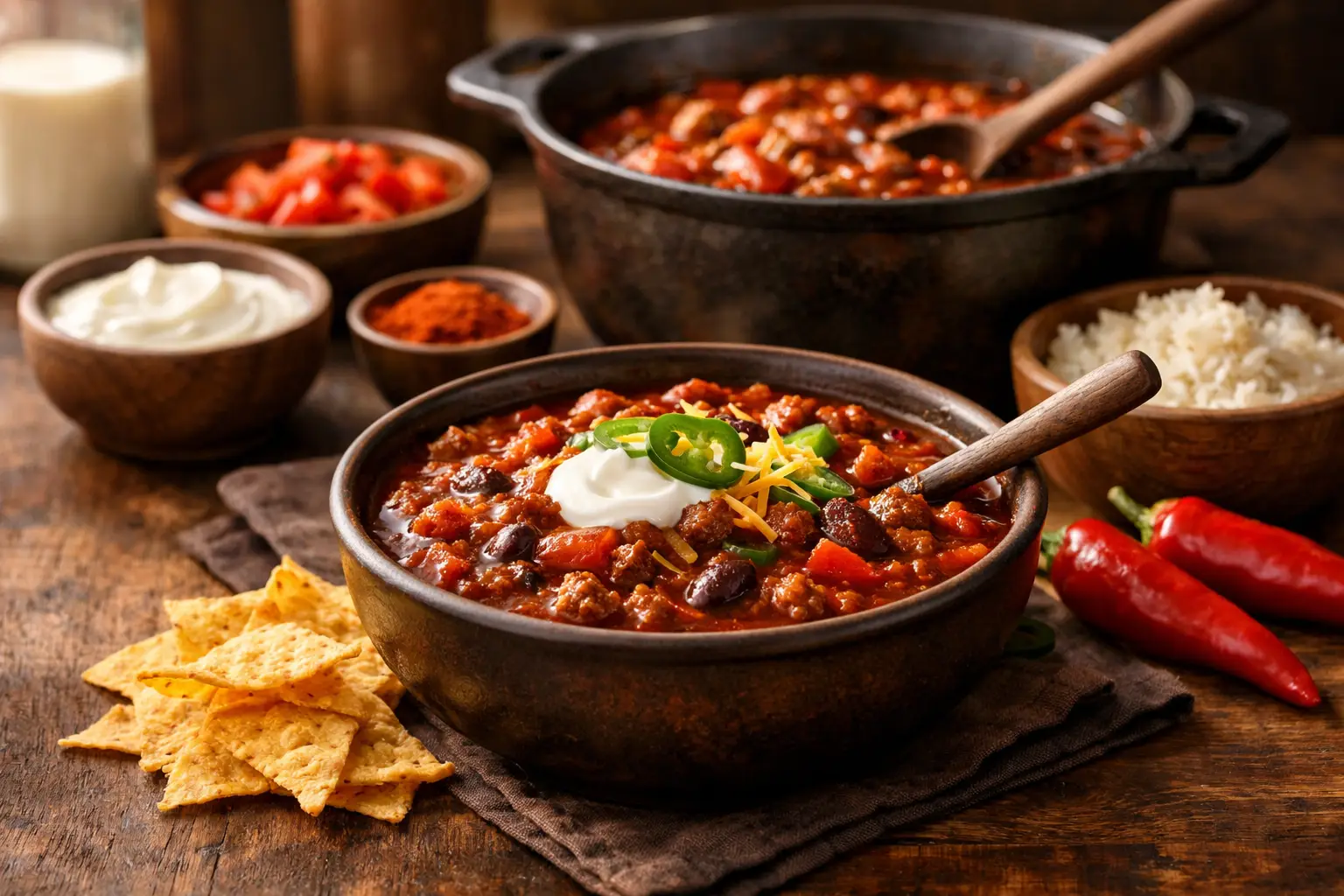
That moment when the pot tastes perfect for one bite and then steamrolls your whole mouth - yeah, that’s when knowing how to mellow spicy chili matters. The good news is you usually do not need to start over, dump the batch, or bury it under random ingredients. The best fix depends on what made it too hot in the first place and what kind of chili you’re trying to protect.
Some chili bowls are meant to punch hard. A Texas red can carry a deeper chile intensity than a weeknight turkey chili, and a green chili can feel sharper because the heat lands brighter. But there’s a big difference between bold and unbalanced. If the heat is drowning out the beef, beans, tomatoes, or smoky backbone, it’s time to pull the pot back into range.
How to mellow spicy chili by figuring out the source
Not all spicy chili is spicy in the same way. Fresh jalapenos, serranos, and habaneros bring a more pointed, lively heat. Dried chiles can add a slower, deeper burn. Cayenne and hot chili powder tend to feel direct and concentrated, while chipotle adds smoke along with heat.
That matters because the fix should match the problem. If your chili is too hot from fresh peppers, you may need ingredients that physically dilute the capsaicin and round out the edges. If the heat comes from a heavy hand with dry spice, a little extra liquid and body can help. If it tastes hot because it is too acidic or too salty, the answer is not always sweetness or dairy. Sometimes the chili is throwing heat forward because the rest of the flavor structure is thin.
Before you add anything, let the chili simmer for five to ten minutes and taste again. Heat can intensify as a pot reduces, but harsh spice can also settle as ingredients meld. One panicked adjustment is manageable. Three fast ones can send the whole batch sideways.
The fastest ways to mellow spicy chili
If dinner is in 20 minutes and the pot is yelling at people, start with dilution and fat.
Adding more of the base is often the cleanest move. Extra crushed tomatoes, tomato sauce, broth, beans, or browned meat can spread the heat across more volume without changing the identity of the chili too much. This is especially useful if the texture already feels right and the spice level is just one notch too high. If your chili is thick and concentrated, even a splash of stock or water can buy you room.
Fat works because capsaicin clings to it better than it clings to water. A spoonful of sour cream stirred into individual bowls helps. So does shredded cheese, a little heavy cream, or even a knob of butter in the pot if the style can handle it. This is not the move for every chili. A lean, brothy chili verde may not want cheddar energy. But a beef-and-bean red chili can absolutely take a little dairy support.
Starch can also lower the perceived heat. More beans, corn, hominy, or even diced potatoes absorb flavor and spread the spice around. This approach is practical, but it changes texture. If your chili is already crowded, adding starch can make it feel more like stew than chili. That trade-off may be fine for a casual game-day pot and less ideal if you’re aiming for a tighter regional style.
When sweetness helps - and when it absolutely does not
A tiny bit of sugar, honey, or maple can soften aggressive heat, especially in tomato-heavy chili where acidity and spice are amplifying each other. The key phrase is tiny bit. Start with half a teaspoon, taste, and stop the second the chili tastes rounder.
Too much sweetness is one of the easiest ways to ruin chili. You do not want it tasting like barbecue sauce unless that was the plan from the start. Sweetness should act like a background correction, not a new headline flavor. If the heat comes from smoky chipotle or a bitter dried chile, a touch of brown sugar can work nicely. If the chili is already rich and slightly sweet from onions and tomato paste, more sugar can make it muddy fast.
Acid can rebalance heat better than sugar
This is the fix people skip, and it deserves more love. Sometimes a chili tastes too spicy because it is heavy and flat, not because it has objectively too much heat. A small splash of lime juice, cider vinegar, or even a little more tomato can sharpen the whole pot and make the heat feel less oppressive.
This sounds backward, since acid can also make spice feel brighter. That’s why restraint matters. You are not trying to make the chili tangy. You are trying to wake up the flavors hiding behind the heat. In a pork green chili or chicken chili, lime can be especially useful. In a deep beef chili, vinegar often blends more naturally.
How to mellow spicy chili without making it bland
The biggest mistake is attacking heat so hard that the chili loses shape. If you keep adding tomatoes, cream, broth, and beans with no plan, you may end up with a milder pot that tastes washed out.
When you reduce heat, rebuild flavor at the same time. If you add more tomatoes, check the salt. If you add dairy, make sure the chili still has enough cumin, garlic, onion, or smoky chile depth to read as chili rather than creamy soup. If you add beans or extra meat, you may need another pinch of oregano or a little more tomato paste to restore concentration.
Think in pairs. Add dilution, then retaste for seasoning. Add fat, then check brightness. Add starch, then decide whether the pot needs more salt or chile flavor without extra heat. This is how you rescue the bowl without flattening its personality.
Ingredients that can save the pot
A few ingredients earn their keep over and over. Beans are one of the easiest because they mellow heat while keeping the dish squarely in chili territory, assuming beans fit the style you’re making. Tomato sauce helps if the chili needs both volume and body. Sour cream and cheese are better as bowl-level fixes when not everyone at the table wants the same heat level.
Avocado is underrated here. It cools the palate, adds richness, and works especially well with Southwestern-style bowls, turkey chili, and green chili. Rice is another strong option if serving the chili rather than changing the pot. Spoon the chili over rice or cornbread and the heat becomes much more manageable.
If you overshot with dried chile powder, a little unsweetened cocoa or peanut butter can sometimes round out the bitterness and make the spice feel more integrated. This is a niche move, and it depends heavily on the style. It can be great in darker beef chili and very weird in a bright white chicken chili.
Fixes that sound smart but usually disappoint
More water alone is rarely a real solution. It lowers intensity for a minute, then leaves you with thinner, less satisfying chili. If you need liquid, use broth or tomatoes and adjust the seasoning afterward.
Bread in the pot is another weak move. It can absorb some heat, but it also turns texture sloppy. Serving bread on the side makes more sense.
And despite the old kitchen myth, adding more onions does not magically cancel out spice. Onions add sweetness and body, which may help a little, but they are not a reset button. The same goes for tossing in one random potato and hoping it absorbs all the capsaicin. Potatoes can help if they stay in the dish and become part of the volume. They do not suck the heat out like a sponge and leave the rest untouched.
The best move depends on your chili style
A thick Texas-style bowl usually responds well to more beef, stock, and a small fat adjustment. A bean-heavy weeknight chili can handle extra beans and tomato sauce without losing its lane. A white chicken chili often benefits from dairy, broth, or a little extra puree from blended beans. Green chili tends to like lime, stock, and cooling toppings more than a big tomato fix.
That’s the beauty of chili as a category. Every bowl tells a story, and the rescue plan should respect the bowl you meant to make. If you cook a lot of chili, this is where a platform like ChiliStation becomes useful - not just for recipe inspiration, but for understanding what each style wants when things go slightly off-script.
If the chili is still too hot at serving time
Do not force a full-pot correction if the batch is close. Sometimes the smarter move is serving strategy. Put out sour cream, shredded cheese, avocado, rice, cornbread, and extra beans on the side. Let heat-tolerant people enjoy the chili as is, and let everyone else tune their own bowl.
That approach preserves the flavor for the spice lovers while making the meal friendlier for everybody else. It is especially useful for parties, family dinners, and recipe-testing nights where heat tolerance is all over the map.
A great chili does not need to be timid. It just needs enough balance that you can still taste the story in the bowl.